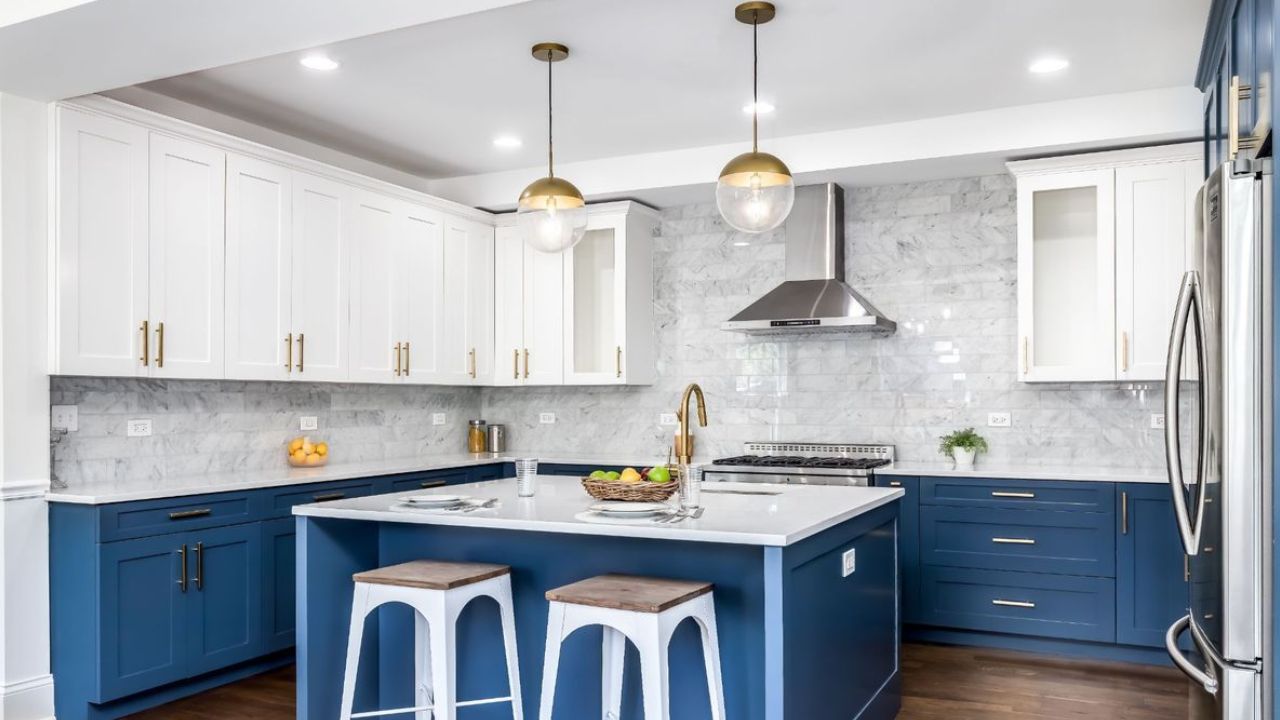
Small kitchens are common in many American homes, especially in older houses, condos, and homes. Limited square footage doesn't mean you have to give up style or storage. With the right kitchen cabinet design for small kitchen, even a compact space can feel open, organized, and fully functional.
The key is to plan smart. Instead of trying to fit as much as possible into a small area, focus on layout, smart storage, and visual tricks that make the room feel larger. For homeowners in Atlanta and similar cities, choosing the right cabinets and design can turn a tight kitchen into a practical, attractive space.
In a small kitchen, every inch counts. Poor cabinet choices can make the room feel cramped, dark, and hard to move around in. A good kitchen cabinet design for small kitchen does the opposite:
The right design also matches how the kitchen is actually used. A family that cooks daily needs different storage than someone who mostly reheats meals. Thinking about habits and needs first leads to a more practical layout.
The layout is the foundation of any small kitchen. The most common options are galley, L shape, U shape, and single wall kitchens. Each has pros and cons for small spaces.
Galley Kitchen (Two Parallel Walls)
A galley layout uses two opposite walls for cabinets and appliances. It's efficient because everything is close together.
Tips for kitchen cabinet design for small kitchen in a galley:
This layout works well in narrow spaces and is common in Atlanta condos and older homes.
L Shaped Kitchen
An L shape uses cabinets along two adjacent walls. It leaves one wall open, which helps the room feel larger.
Design tips:
This layout is popular in many Atlanta homes and offers a good balance of storage and openness.
U Shaped Kitchen
A U shape wraps cabinets around three walls. It offers the most storage but can feel claustrophobic if not carefully designed.
To make a U shape work in a small kitchen:
This layout is a strong choice for slightly larger small kitchens or when extra storage is a priority.
Single Wall Kitchen
In tiny spaces, cabinets may run along just one wall. This layout is standard in studio apartments and small homes.
Design ideas:
Even with limited wall space, a well planned single wall kitchen can be fully functional.
Storage is often the biggest challenge in a small kitchen. The goal is to store everything needed without cluttering countertops.
1. Use Vertical Space
Tall cabinets that go to the ceiling make the most of vertical space. They can hold:
If full ceiling cabinets feel too heavy, use them only in one section and leave the rest open or with glass doors.
2. Optimize Corner Cabinets
Corners are often wasted space. With the proper hardware, they become useful:
These solutions make it easy to reach items without having to crawl into the cabinet.
3. Add Pull Outs and Organizers
Deep base cabinets are hard to use without organizers. Pull out shelves and drawers help:
Drawer dividers for utensils and cutlery also keep the kitchen tidy.
4. Use Open Shelving and Glass Doors
Solid upper cabinets can make a small kitchen feel closed in. Open shelves and glass doors:
Use open shelves on one wall and solid cabinets on another to balance storage and openness.
For homeowners in Atlanta, selecting the right cabinets involves more than just style. Local climate, home age, and lifestyle all play a role.
1. Consider Local Climate and Materials
Atlanta has hot, humid summers and mild winters. Cabinets should be made from materials that resist warping and moisture, such as:
Avoid particleboard in high moisture areas unless it's sealed properly.
2. Match the Home's Style
Atlanta homes range from historic bungalows to modern homes. Cabinets should fit the overall style:
Choosing kitchen cabinets in Atlanta that match the home's character creates a more cohesive look.
3. Think About Resale Value
Many Atlanta homeowners plan to sell eventually. Neutral cabinet colors (white, gray, beige) and classic styles tend to appeal to more buyers. Avoid overly bold colors or trends that may not last.
When shopping for Atlanta kitchen cabinets, balance looks with practicality.
1. Cabinet Height and Depth
Standard base cabinets are about 24 inches deep and 34.5 inches high (plus countertop). In a small kitchen:
2. Cabinet Doors Atlanta Homeowners Like
Popular kitchen cabinet doors Atlanta customers choose include:
Hardware also matters. Simple knobs or pulls in a consistent finish keep the look clean and uncluttered.
Color and lighting significantly impact how a small kitchen feels.
1. Light Cabinet Colors
Light colors (white, cream, light gray, soft blue) reflect light, making the room feel larger. Dark cabinets can work in small kitchens if:
2. Use Reflective Surfaces
Glossy cabinet finishes, glass backsplashes, and shiny countertops help bounce light around the room. Matte finishes are easier to keep clean, but can make the space feel darker.
3. Add Plenty of Lighting
Good lighting is essential in a small kitchen:
Layered lighting makes the kitchen feel more open and easier to use.
To wrap up, here are a few final tips for creating a practical, attractive small kitchen:
With thoughtful kitchen cabinet design for small kitchen, even the tiniest kitchen can be a comfortable, efficient, and stylish part of the home.
December 28,2025